Paris gave us the familiar pictures: a river winding past stone façades, the Eiffel Tower against the sky, paintings we had known from books. It also gave us a memory that belongs entirely to us. We got engaged at the Eiffel Tower.
Our original four-day journal moved quickly between neighbourhoods and museums. Looking at it again, we would keep the personal stops and give them more breathing room. Use the days below as a loose shape for your own visit, with one main booking at a time and room to enjoy the city between them.
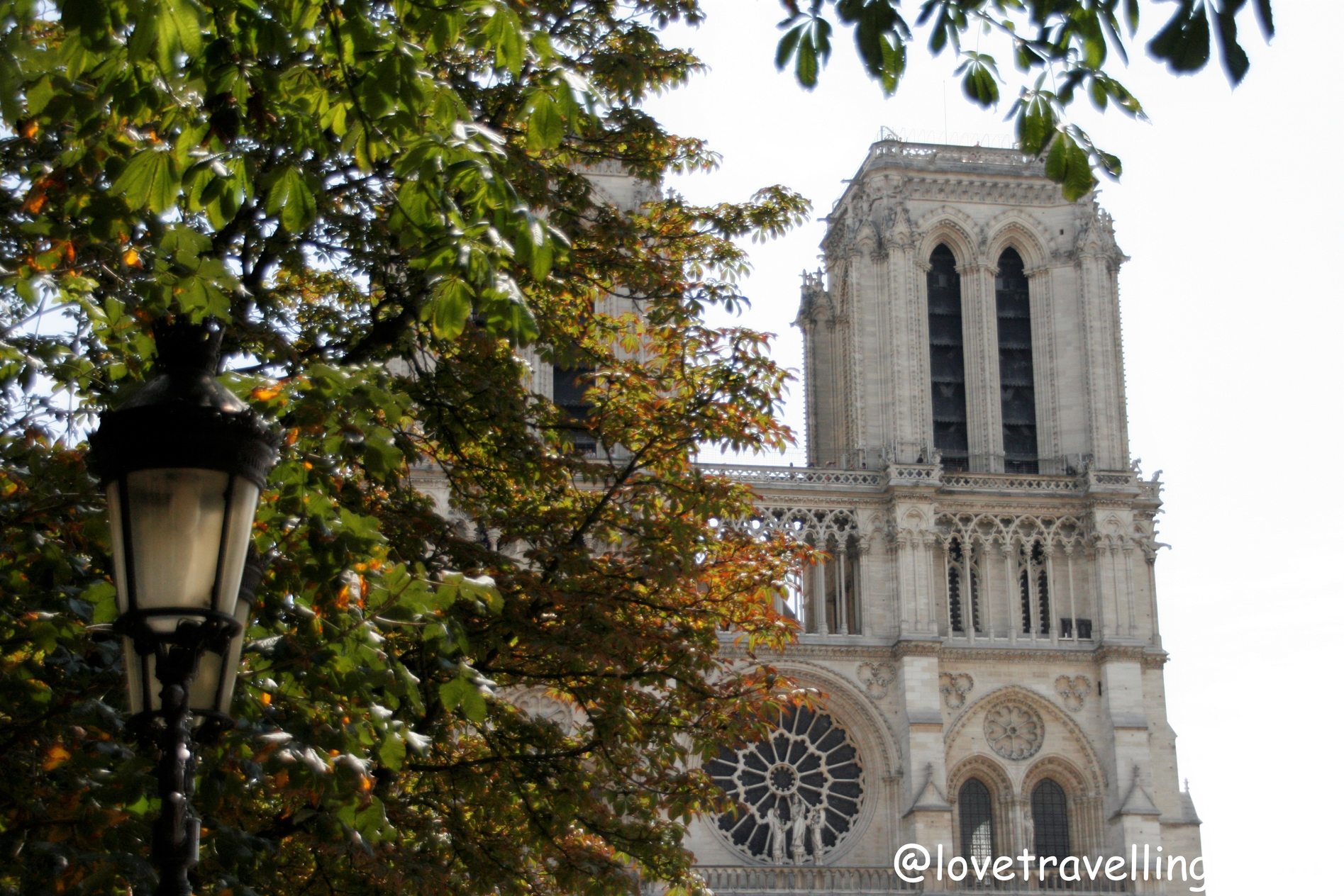
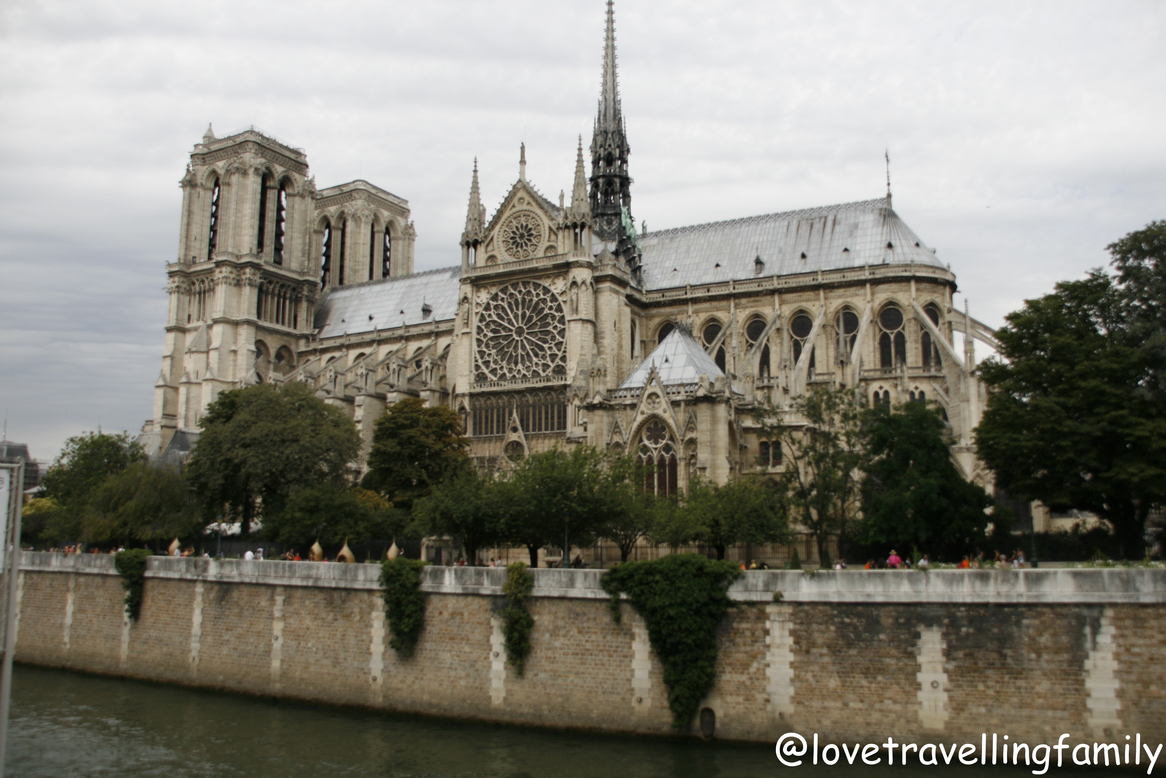
This journal keeps the route and memories of our original Paris trip. The cathedral photographs predate the 2019 fire; today’s visitor arrangements are linked below.
Day one: Notre-Dame and a first look at the Seine
We began at Notre-Dame and were content to admire the cathedral from outside. An exterior visit can have its own rhythm: walk around the island, stop where the river opens up a view of the building and notice how different it looks from each side. Our photographs preserve the cathedral as we saw it on that earlier journey.
The Seine became our way of understanding Paris. On our trip we used Batobus, the hop-on, hop-off river service. Watching the city from the water gave us a pause between walking sections. For a new visit, compare the operator’s current stops, timetable and ticket with your actual plans rather than building the day around the old route in our journal.
If you want to go inside Notre-Dame now, the cathedral’s official information says general admission is free. Its free reservation system can help you plan your visit. Check the cathedral’s own website for access arrangements and available slots.
Day two: a personal route towards the Eiffel Tower
Our second day was a Sunday. We visited the Russian Orthodox Alexander Nevsky Cathedral, then made a stop at 30 Avenue Montaigne. The Dior address interested us for its place in fashion history; we had not gone there to shop. Those stops made the day feel like our own, rather than a list copied from somewhere else.
You do not need the same interests to borrow the idea. Choose one place that means something to you, then leave time to travel across the city and reach the Eiffel Tower without rushing. Our visit there became an engagement story, which explains why this landmark means more to us than its outline on a postcard.
For a tower visit, decide whether you want the second floor or the summit and which access option suits you before buying. The official Eiffel Tower website lists the available ticket types and opening arrangements. Leave a buffer around the booking instead of squeezing it between two other timed visits.
Day three: make room for the art you actually want to see
Musée d’Orsay was a particularly personal stop. Growing up in Poland, I spent hours looking through my mother’s art books. The Impressionist paintings in those pages taught me to recognise artists long before I could see the works in person. At Orsay, those childhood pictures became something I could stand in front of.
Our original route included both Orsay and the Louvre on the same day. For a more relaxed visit, we would choose one as the main museum and keep the other for another day, or another trip. Decide what you most want to see before entering; a small number of works you remember is more satisfying than a whole building you rushed through.
The Louvre’s official site currently lists Tuesday as its regular closure day, so move your museum day if necessary. Check both museums’ current calendars and reserve through their own ticketing pages. Their opening days matter more than the day numbers in this itinerary.
We also walked near the Arc de Triomphe and along the Champs-Élysées. The avenue did not become our favourite part of Paris, and that is fine. A famous stop need not be a highlight for everyone; use your evening for the neighbourhood or riverside stretch you have enjoyed most.
Day four: Montmartre, Sacré-Cœur and time to wander
Our final day took us to Sacré-Cœur and Montmartre, with its changing street scenes and views across the city. We also passed the exterior of the Moulin Rouge. These are memories of a neighbourhood walk, rather than a recommendation to fit every attraction into one outing.
Keep the uphill sections in mind when choosing your route. If you are travelling with children, leave room for rests and consider whether a long museum visit the previous day will have used up everyone’s patience. A shorter walk with one memorable view can be plenty.
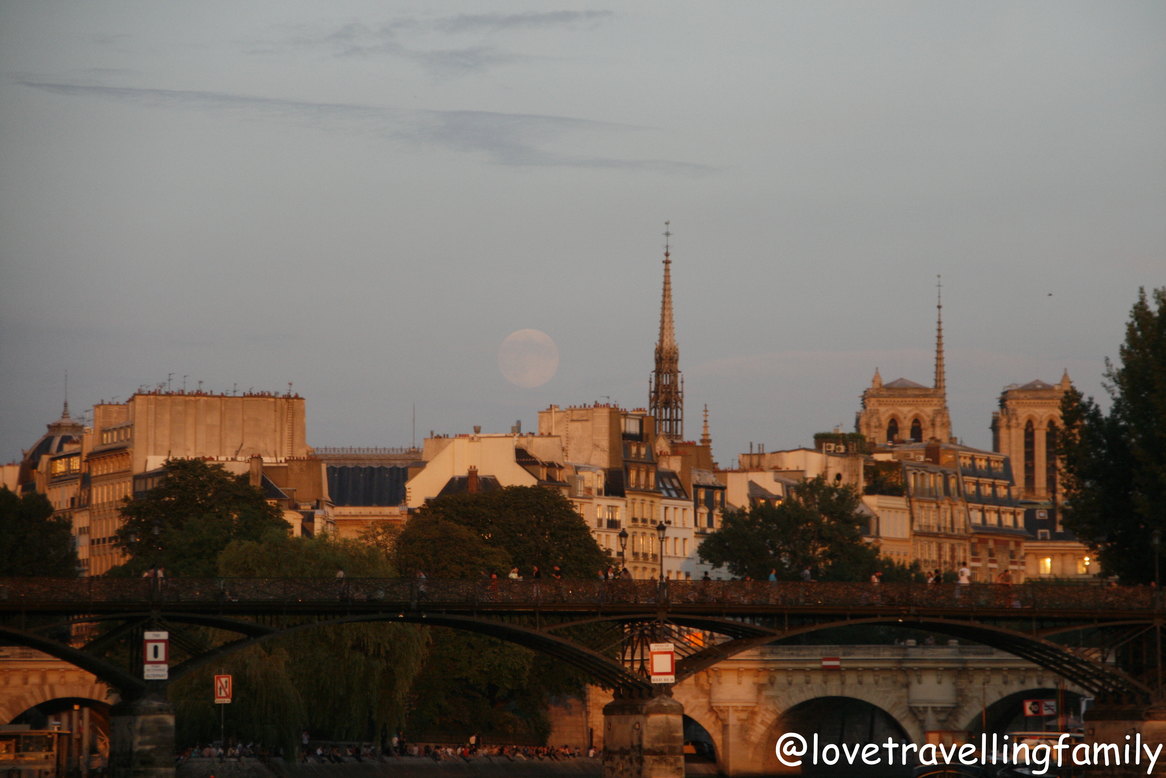
Before leaving Paris, we would save one more evening for the river. It was not simply a connection between sights for us. The changing light, bridges and buildings were part of what we had come to see.
Turn four days into a trip that fits you
- Put fixed bookings on the calendar first, then group the surrounding walks by neighbourhood. Avoid repeatedly crossing the whole city for short stops.
- Choose transport tickets for your own dates and journeys. Our original weekly-pass choice is a travel memory, not a current recommendation for every four-day stay.
- Keep one part of each day flexible. A late start, a longer lunch or an unexpected queue should not undo the entire plan.
- For a family visit, alternate time indoors with a shorter outdoor walk. The route here comes from our original journey; adapt it to the ages and interests of the people travelling with you.
More cities to explore at your own pace
If the part you enjoy most is discovering a city on foot, continue with our Prague city walk. For a place we learned to appreciate while living there, read our Munich Old Town journal. Both leave room for the details between the famous sights.
Good to know
A couple of useful questions
Is four days enough for a first Paris trip?
Four days gives you room for several neighbourhoods and selected major sights. It is still worth choosing priorities. Our revised plan keeps a main focus for each day instead of trying to see every museum and monument.
Should we visit Orsay and the Louvre on the same day?
That was part of our original route, but we would spread them out for a more relaxed trip. Choose the collection that interests you most and check its opening calendar before fixing the rest of the day.
Sources and useful links
For more context and practical details:
- Notre-Dame: practical visitor information ↗
- Eiffel Tower: official tickets and opening times ↗
- Musée d’Orsay: plan your visit ↗
- Louvre: hours and admission ↗
- Batobus: current river service and tickets ↗
Images and accounts are preserved from our original archive; the note above explains their context. Sources and planning links were checked on 18 October 2026.