A casa particular is a private Cuban home that is licensed to rent rooms to visitors. For us they were the best part of travelling in Cuba: breakfast at the family's table, advice from people who actually live in the town, and a host who phoned ahead to book our next stop.
This guide combines what we learned staying in casas with a baby and what you need to know in 2026: prices, how to book, how to recognise a licensed home, and the questions about power cuts, water and cash that matter more now than ever.
We travelled around Cuba with our baby and stayed only in casas particulares, booking each one ourselves. Prices, payment and power supply have changed a lot since then, so the practical sections below use sources checked in October 2026.
What is a casa particular?
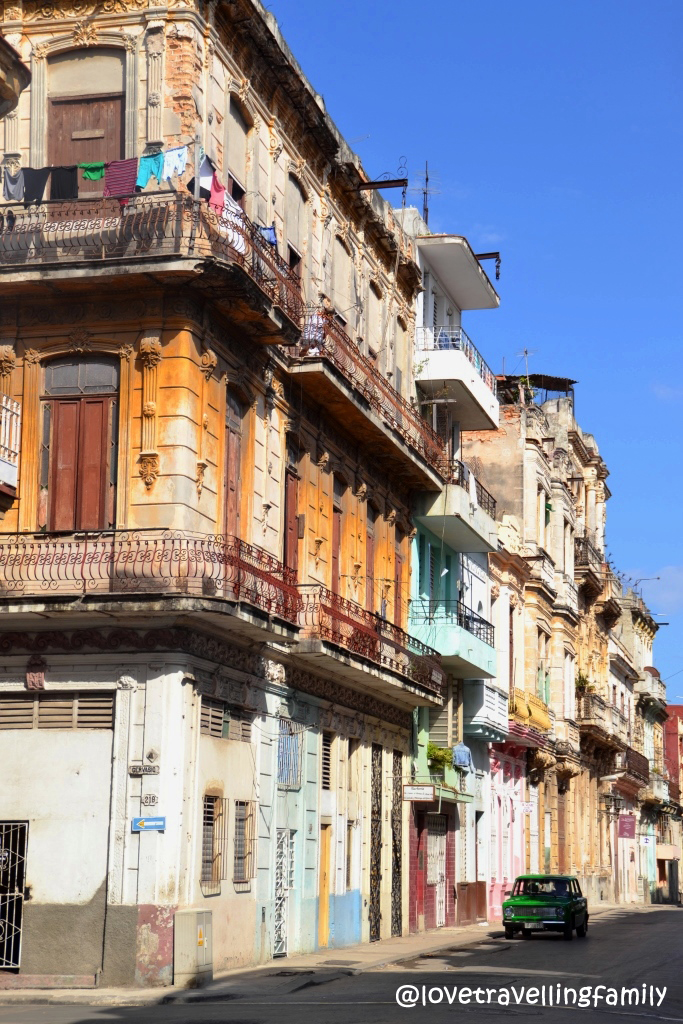
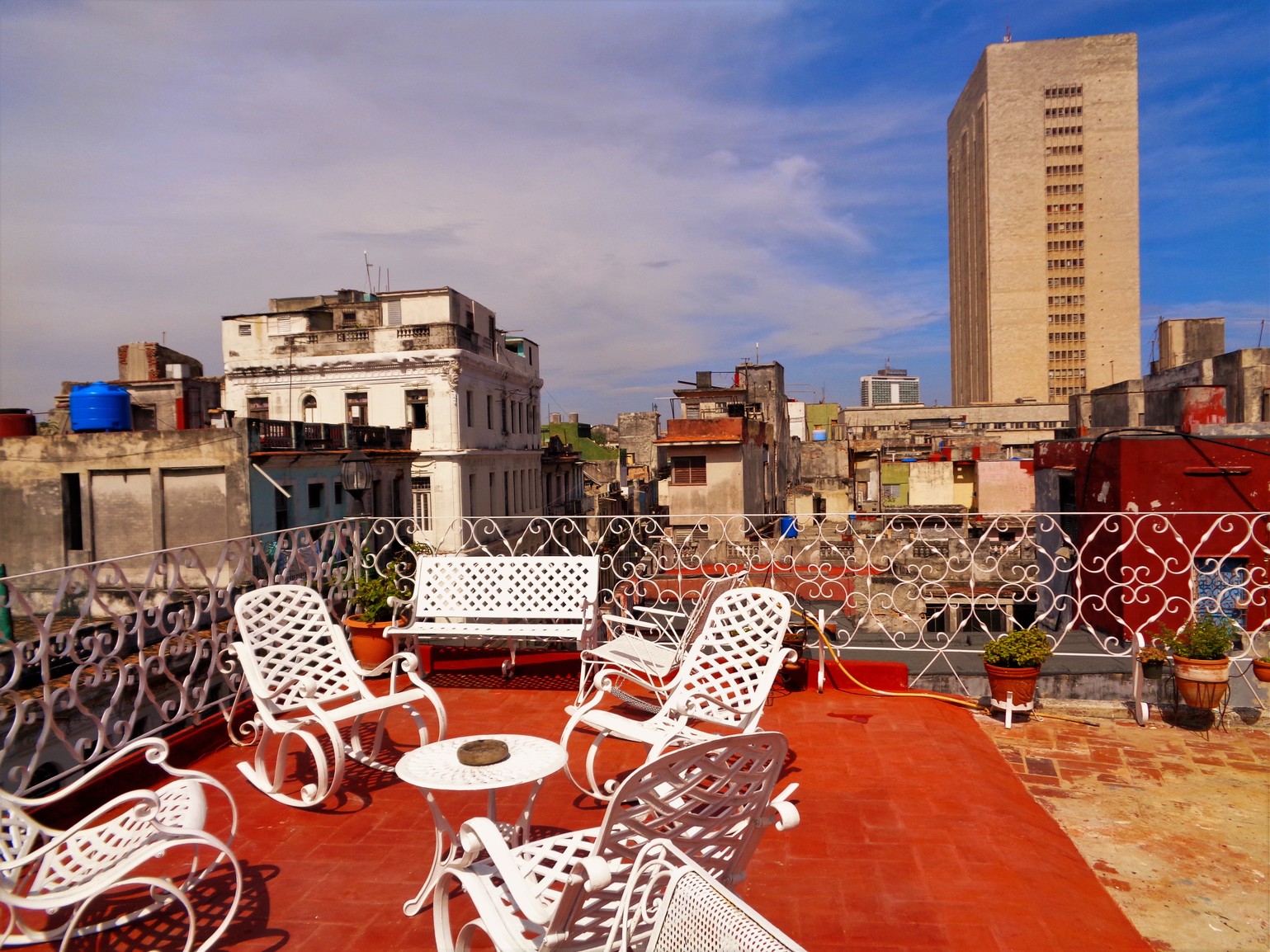
A casa particular is a family home with one or a few rooms for guests – we never saw more than three. Most rooms we looked at had a private bathroom and hot water, and many houses had beautiful colonial details: high ceilings, tiled floors and rocking chairs on a balcony.
You live alongside the family, which is why many travellers prefer casas to hotels. Some larger places are run more like small guesthouses, with staff and a manager. In our experience the businesslike ones were not better: the food cost more and one ‘fancier’ room smelled of damp. If you want everyday Cuban life, choose a real family home.
Cuba in 2026: read this before you book
Travelling in Cuba is much harder now than when we went. The UK Foreign Office advises against all but essential travel. The national grid has collapsed several times, fuel is rationed, and water supply can be unreliable. Airlines have suspended or changed flights because of aviation fuel shortages. 1
Money is the other big change. According to the same advice, international Visa and Mastercard cards are no longer accepted and cannot be used at ATMs, so bring enough cash in US dollars or euros for your whole stay plus emergencies. 1
For a casa stay this means two practical questions come first: does the house have a generator for power cuts, and a water tank (cistern) for when the mains supply stops? A booking platform's 2026 guide notes that homes without a generator can be without power for six to ten hours on bad summer days. 3
How much does a casa particular cost in 2026?
Prices are per room, not per person, and are usually quoted in US dollars. One booking platform's June 2026 ranges give an idea of the spread: 3
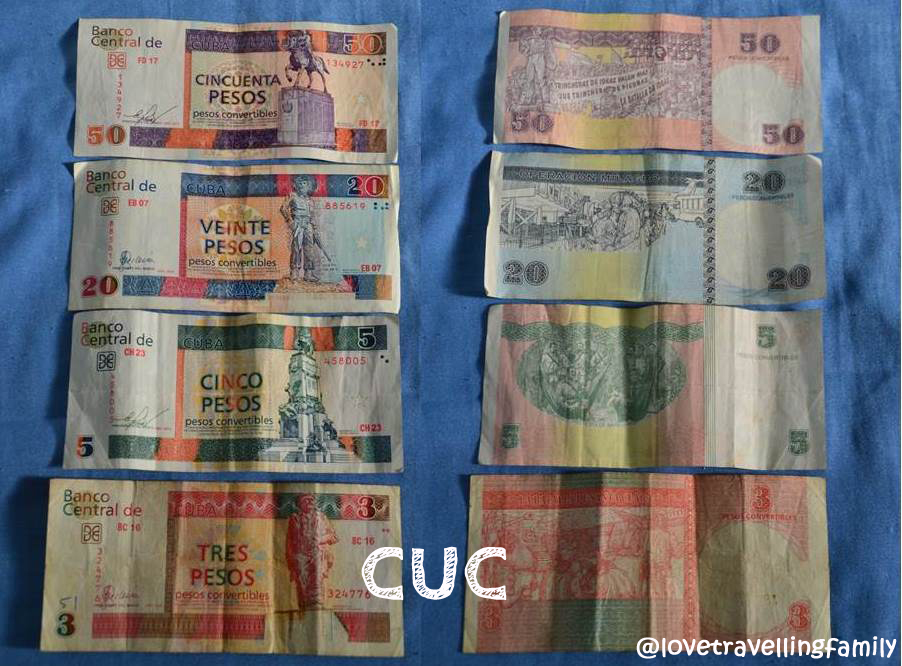
Breakfast is often included in Viñales and Trinidad and usually costs extra in Havana, around 4–7 US dollars per person. A home-cooked dinner is typically 8–15 dollars per person and should be ordered a day ahead. 3 The convertible peso (CUC) quoted in older guides, including our first one, no longer exists; read our notes on money in Cuba.
- Havana: from about 24 dollars a night in Centro Habana to 200 in Miramar
- Viñales: about 24–80 dollars
- Trinidad: about 28–90 dollars
- Cienfuegos: about 24–80 dollars
- Varadero: from 28 dollars for a room to 350 for a villa with a pool
How to book a casa particular
There are three ways to book: through a platform such as Airbnb or Booking.com, through a specialist agency, or directly with the host by email, phone or WhatsApp. Specialist platforms typically cost a little more than booking direct, while direct bookings rely entirely on trust. 3
When we travelled, Dario did the bookings himself. We used TripAdvisor reviews to shortlist the best ten to fifteen houses in each town, found their contact details and wrote to them one by one. Internet in Cuba is slow, so answers can take days. A small agency we tried first stopped replying for weeks, which taught us that with a baby you want confirmations in writing, not promises.
Hosts also told us that a large share of what guests paid through big booking sites went to intermediaries abroad, because Cubans could not register on those sites themselves. When you can, booking directly means more of your money reaches the family.
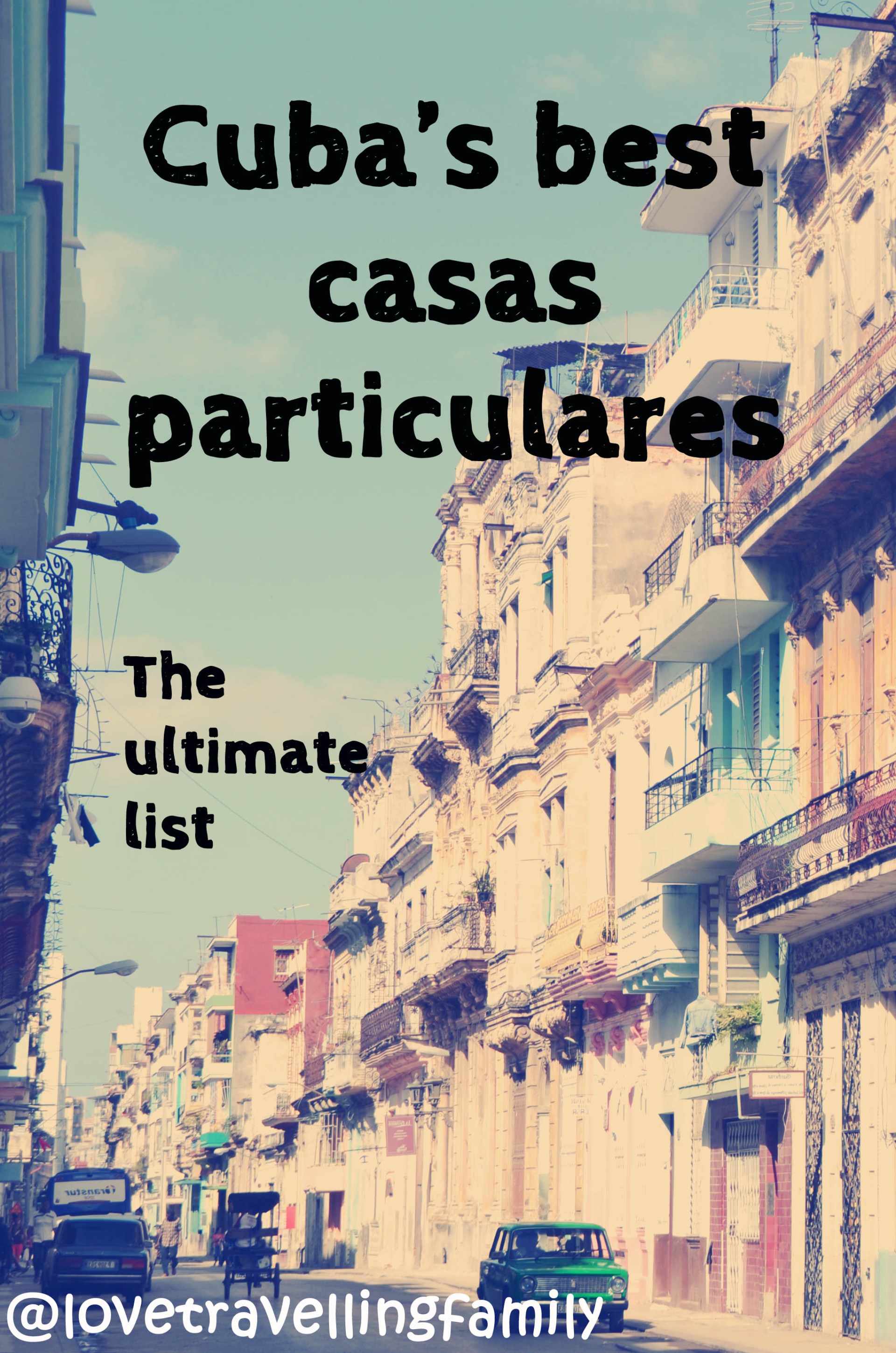
How to recognise a licensed casa particular
Licensed casas display a blue sign at the entrance; a house without one is not a legal casa particular. 3 Hosts have to record every guest in the house's registration book, so you will be asked for your passport on arrival – the Havana host who wrote our 2018 guest article listed it as a house rule, along with no unregistered visitors.
Before arriving, complete the D'Viajeros online form within 72 hours of entering Cuba and carry the QR code on paper or offline, because Wi-Fi may not be available when you land. You also need a tourist card (tourist visa) arranged before travel. 2
Casas particulares with a baby or children
Staying with a small child was never a problem for our hosts, but baby cots were usually missing, or in questionable condition. Instead, ask for an extra single bed: pushed against the double bed and the wall, it makes one big family bed that a baby cannot roll out of.
Check the stairs too. Many Havana homes are upstairs, and the 2018 casa on our blog had two flights with no lift. With children, a ground-floor room or a house with a roof terrace for play is worth asking for.
Questions to ask the host before you book
These are the questions we would ask any casa today:
- Is there a generator, and what does it power (fans, air conditioning, the fridge)?
- Is there a water tank for when the mains water stops?
- Is the bathroom private, with hot water?
- Is breakfast included, and what does dinner cost?
- Which currency do you want, and do you need a cash deposit?
- Can you arrange a taxi from the airport or bus station?
- Is there a cot or an extra bed for a child, and how many stairs are there?
Travelling between casas around Cuba
Every host knows other hosts across the island. Many travellers book only their first nights and let each host recommend and phone the next casa. With a baby we preferred to book ahead, but we still asked each host to call our next casa a few days before to confirm our arrival.
That call matters for two reasons. If the next host has not heard from you, they may give the room to someone at the door, because nobody pays in advance. And the new host can send a taxi to meet you at the bus station, so you avoid the jineteros – touts who offer taxis, rooms and restaurants to every arriving tourist. For the journeys themselves, see our Cuba transport notes and the Cuba with kids guide.
Good to know
A couple of useful questions
How much is a casa particular in Cuba?
In 2026, rooms in Havana start at about 24 US dollars a night in Centro Habana; Viñales, Trinidad and Cienfuegos rooms are roughly 24–90 dollars. Prices are per room, and breakfast may cost extra. 3
How do I pay for a casa particular?
Mostly in cash, in US dollars or euros. The UK Foreign Office says international Visa and Mastercard cards are no longer accepted in Cuba, so bring enough cash for the whole trip. 1
Can I book a casa particular on Airbnb?
Yes, many casas are listed on Airbnb and other platforms. You can also book directly with the host, which usually means more of the money reaches the family but relies on trust.
How do I know a casa particular is legal?
Licensed homes display a blue sign at the door and register every guest with their passport details in the house's book. 3
Are casas particulares good for families with a baby?
Yes, hosts are usually welcoming to children. Cots are rare, so ask for an extra single bed, and check stairs, air conditioning and whether there is a generator and water tank.
Sources and useful links
References for the practical information in this article:
- FCDO — Cuba travel advice (updated 25 September 2026) ↗
- FCDO — Cuba entry requirements: tourist card and D'Viajeros ↗
- RentalHo — How to rent a casa particular in Cuba, 2026 guide (prices from a booking platform's own listings) ↗
Information checked on 25 October 2026.