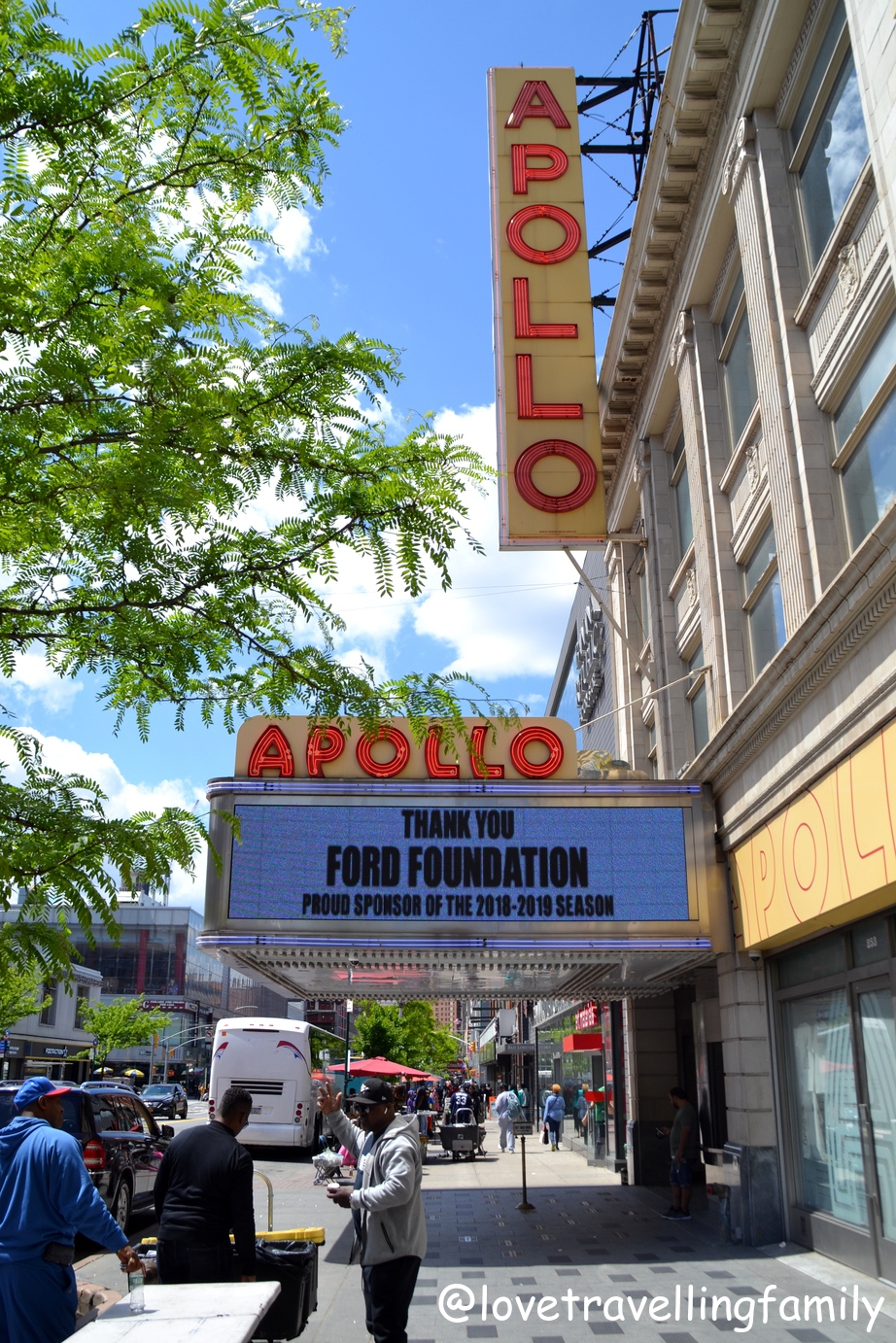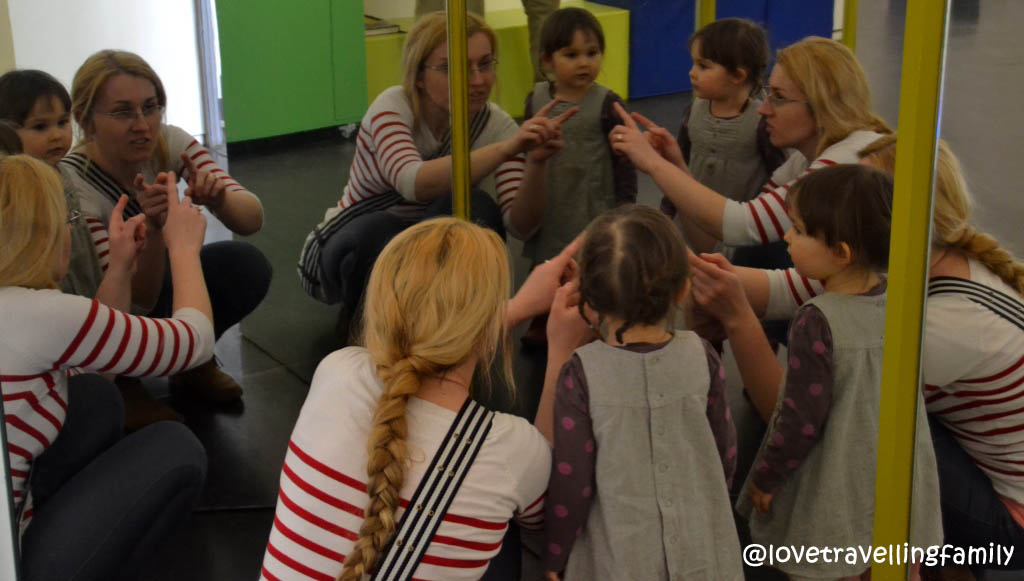
We had enough time in New York for ordinary days as well as famous sights. Our daughters needed places to play and rest, while the adults wanted art, museums and long walks. The visit worked best when those needs were part of the same day.
This is a selection from our earlier stay, with current planning links where arrangements matter. A playground could be as important as a museum ticket, and a short museum visit could be worthwhile even if we did not reach every gallery.
First published on 27 February 2020. The original account describes almost a month in New York with a one-year-old and a preschool-aged daughter. The photographs and exhibitions belong to that earlier stay. Visitor policies were checked on 18 October 2026.
Make the playground part of the plan
Our old journal names Chelsea Waterside, Gantry Plaza’s Rainbow Playground, Pearl Street, Pier 51 and several Central Park playgrounds. We enjoyed having places where the children could move freely after a journey or a stretch in a stroller.
The practical lesson was to give play time its own place in the day. It helped our family find a manageable rhythm; it was not a guarantee that a child would never become tired or upset. We sometimes chose the next walk around a useful place to stop rather than the other way round.
Treat facilities as something to check for the particular park. Our good experience does not establish that every New York playground has an open toilet, working fountain, shade or the same equipment. For one stop we returned to, see our Harlem family journal.
Central Park gave us room between outings
We liked Central Park as somewhere to spend time, not another attraction to finish. The earlier photographs include Heckscher and Safari playgrounds, a zoo visit and a summer amusement setting that belongs to that period.
Choose a manageable part of the park and leave time to sit, eat or let a child choose what to do next. An old photograph of a seasonal attraction does not establish that the same operator or arrangement exists today. The value in our memory was the space between more structured outings.
With a stroller, plan the actual route and entrances rather than assuming that every subway station or path has the access you need. Leave enough energy for the return journey, especially if the day begins with a long trip across the city.
At the American Museum of Natural History
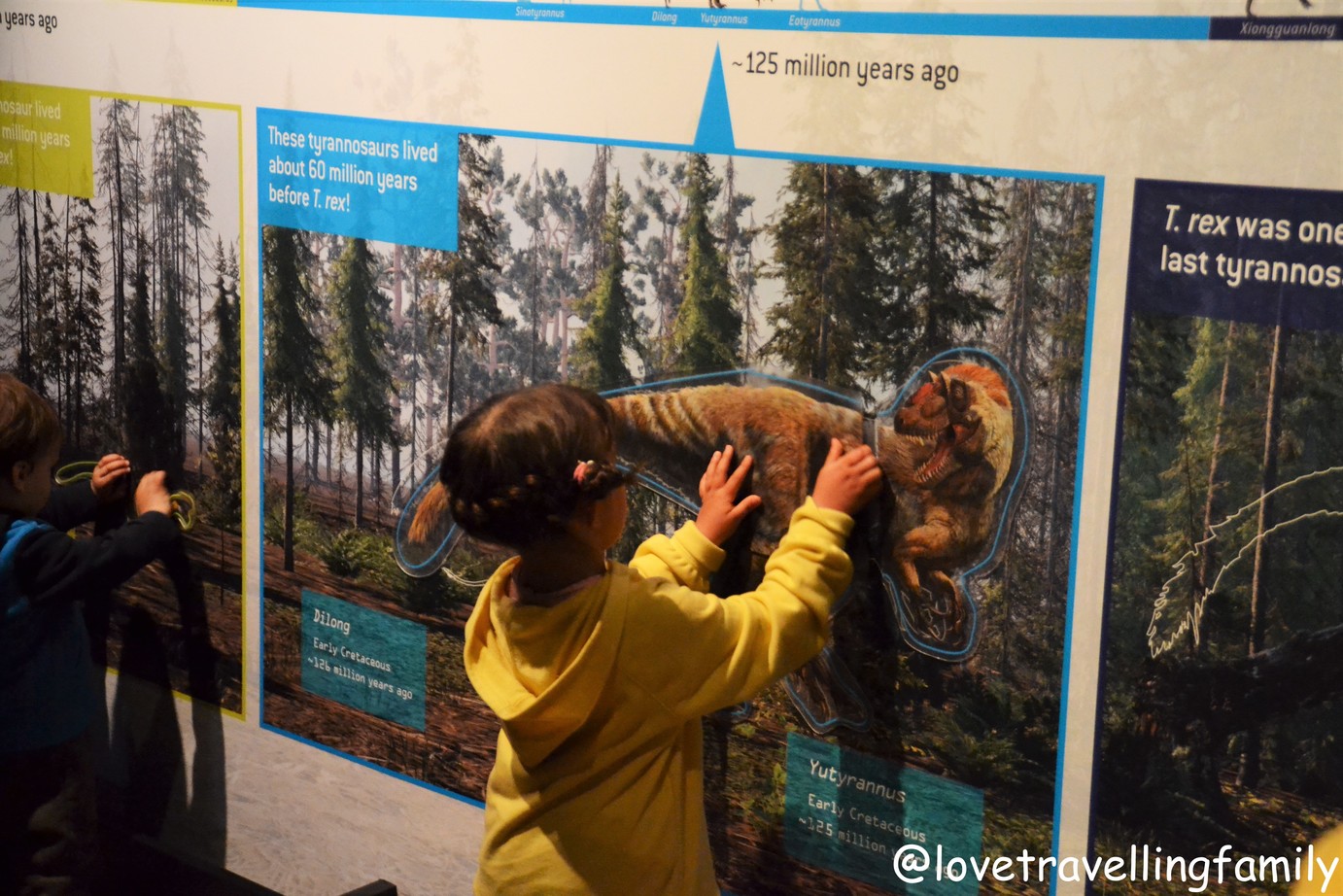
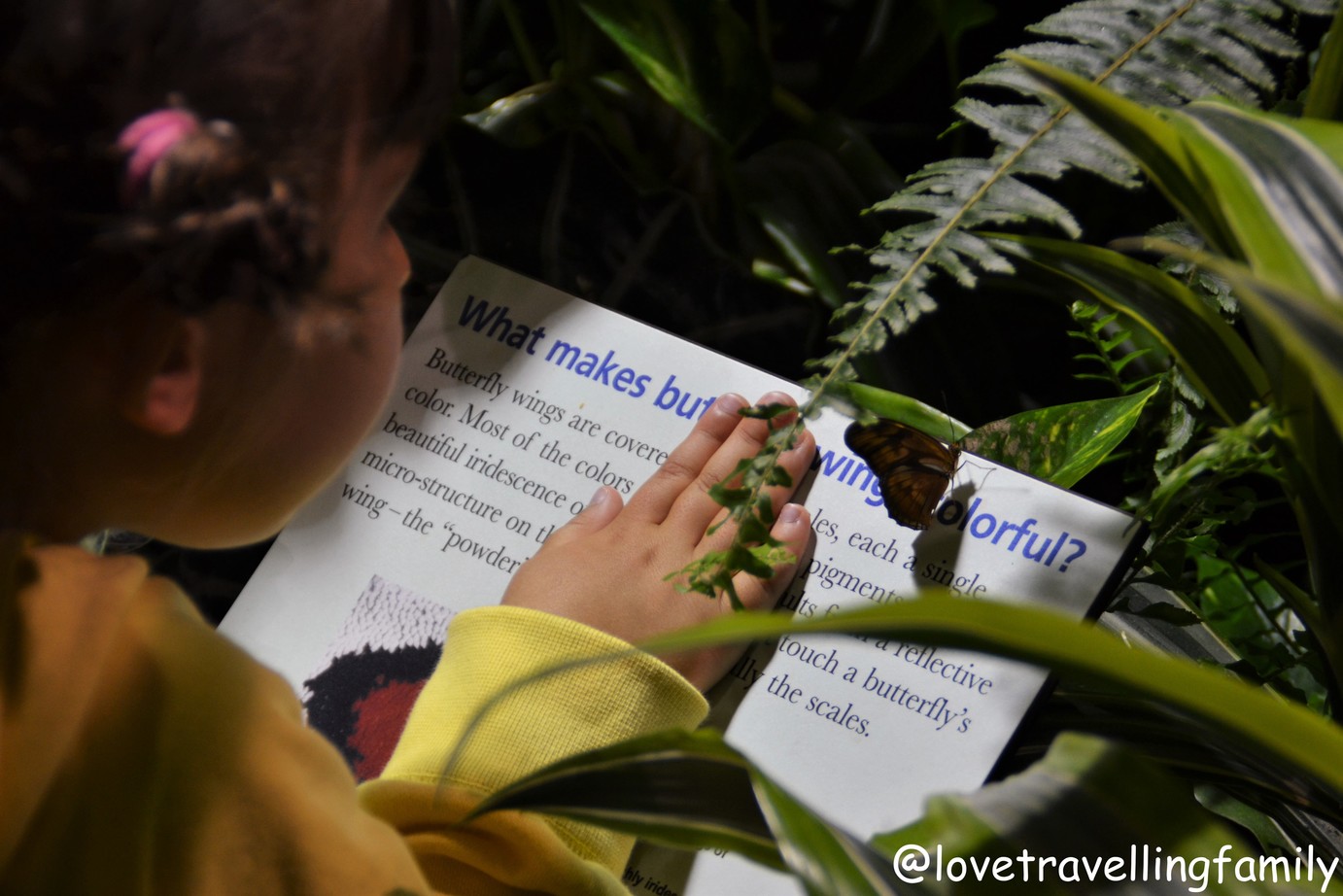
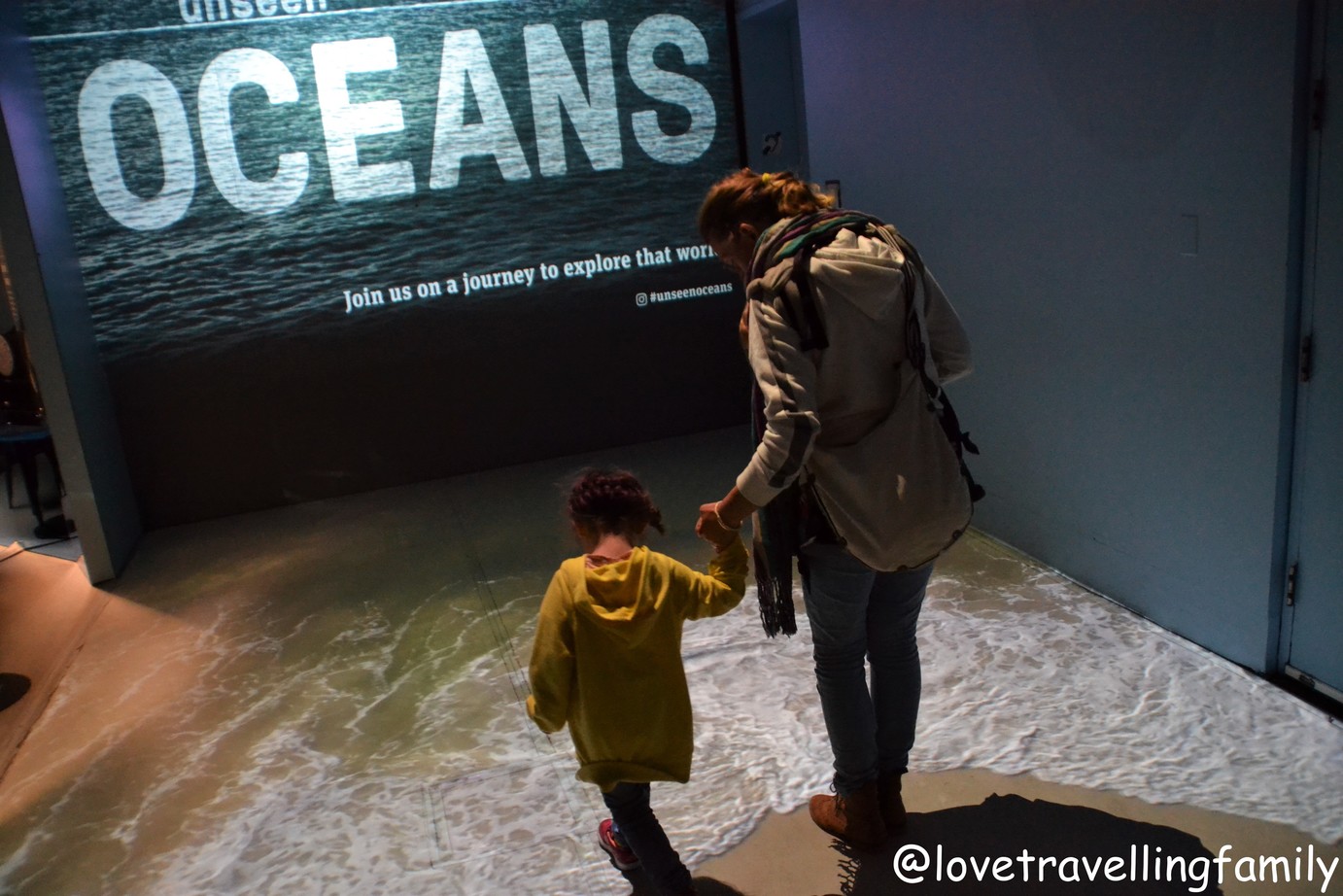
The American Museum of Natural History was one of our favourite family stops. The recovered images show a dinosaur panel, butterflies and the earlier Unseen Oceans exhibition. They give a small view of what interested us, rather than a complete guide to the museum’s present displays.
Current admission needs a careful look: AMNH’s pay-what-you-wish general admission is for New York State residents with qualifying identification. Visitors from outside the state use the applicable admission prices, and ticketed exhibitions have separate requirements. Check the package and entry arrangements for your visit rather than assuming admission is universally free. 1
Choose a few priorities, leave room for a break and be prepared to return to something a child wants to see again. A photograph from a temporary exhibition in our old journal is not a reason to buy a ticket without checking what is currently on.
The art-museum visits worked because we shared the time
Dario and Zosia spent so long making and playing at MoMA’s Art Lab that they nearly reached closing without seeing the main exhibitions. That became part of the fun of the visit. We also took turns: one adult stayed with the children while the other looked at art, then we switched.
MoMA’s Family Art Lab programme changes over time. Check the current listing, admission and adult-supervision arrangements; the installation we remember is not the same thing as a promise about the space on your chosen day. 2
The Met has its own admission rules, different from AMNH: its pay-what-you-wish eligibility includes New York State residents and students from New York, New Jersey and Connecticut, while children twelve and under are free. Read the official policy for the adults and children in your party. The old family photographs do not replace that check. 3
A different kind of day at Coney Island
We enjoyed Coney Island and Luna Park as a change from museum days. The original article recommended setting aside a day, with the journey itself part of the plan. Our old advance-purchase and daily-ticket tips are not current booking conditions.
Use Luna Park’s current calendar, ticket products and ride requirements for the children actually travelling. Decide what a ticket includes before comparing prices, and keep room for breaks. 4
We also liked evenings around Times Square and the musicians we encountered in the subway. Those moments mattered alongside the famous views. New York felt more manageable when we stopped trying to turn each day into proof that we had seen everything.
Good to know
A couple of useful questions
Is AMNH pay-what-you-wish for overseas visitors?
Its current eligibility is for New York State residents with qualifying ID. Check the applicable admission and any ticketed-exhibition requirements for your party. 1
Are MoMA Art Lab and the photographed exhibitions unchanged?
No. The photographs and activity memories belong to our earlier stay. Check the current family programme and exhibitions before making them the reason for a visit. 2
Do we need to fill every day with major attractions?
Our stay worked through a mixture of museums, walks, play and ordinary pauses. Choose a pace that leaves the children and adults enough energy to enjoy the next part of the day.
Sources and useful links
For more context and practical details:
- AMNH — current admission and visitor information ↗
- MoMA — the current Family Art Lab programme ↗
- The Met — current admission and family visitor information ↗
- Luna Park — official current tickets and park calendar ↗
Images and accounts are preserved from our original archive; the note above explains their context. Sources and planning links were checked on 18 October 2026.