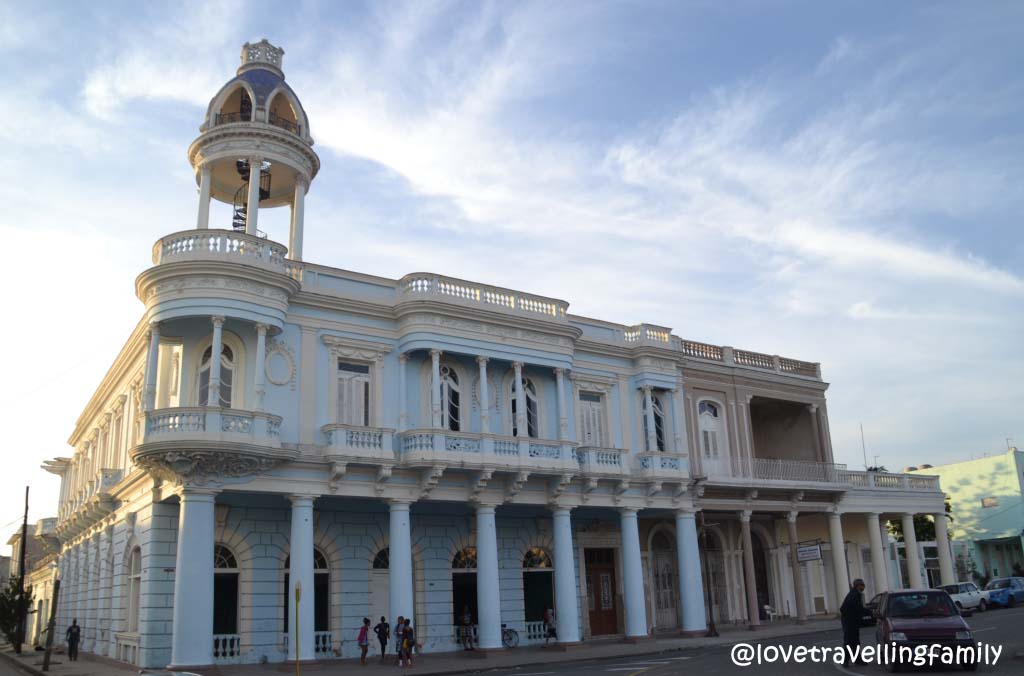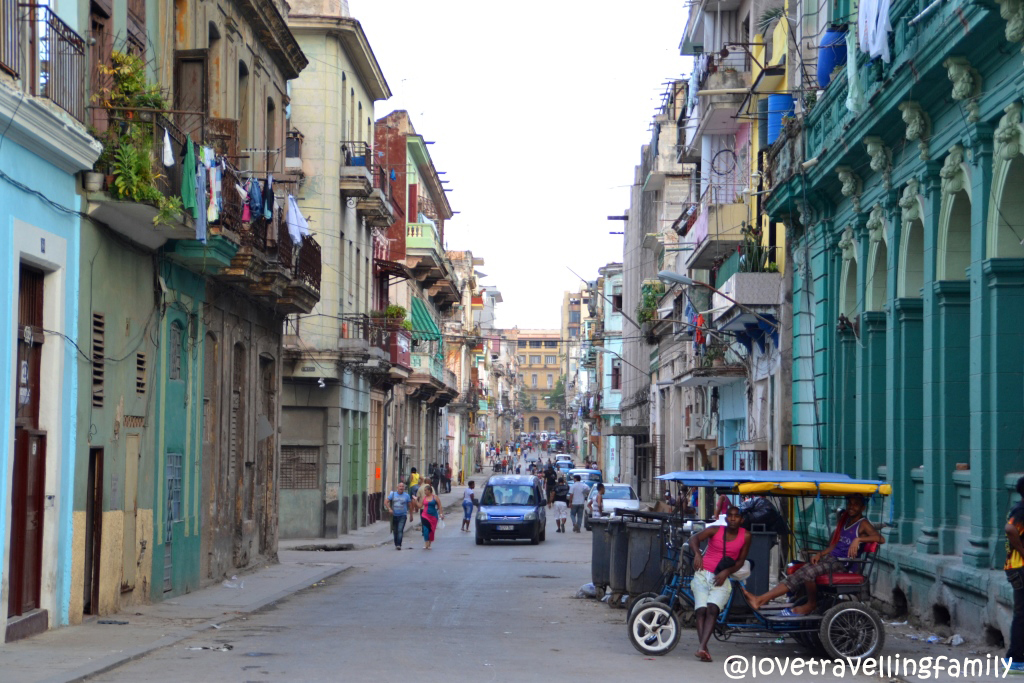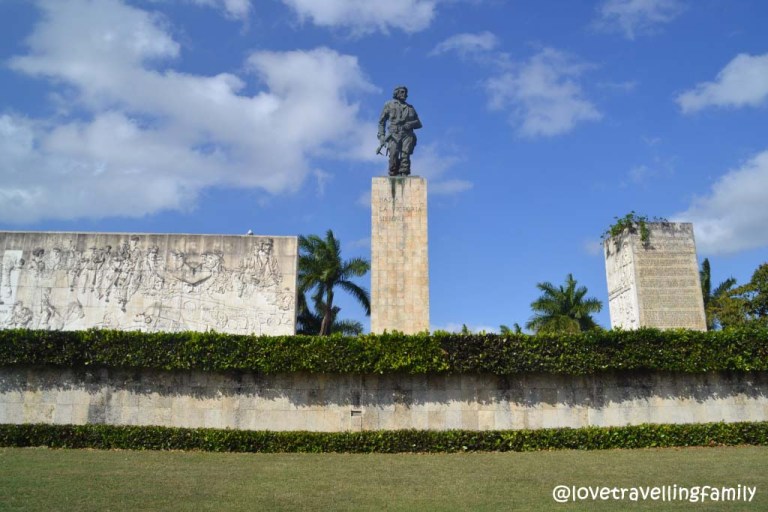
Che Guevara was the reason I wanted to go to Santa Clara. I arrived with a long-standing admiration for the traveller and idealist I associated with him. That was a personal starting point, rather than a neutral verdict on his political life. The city gave us monuments to look at, but also streets and a square in which to pause.
We combined the memorials with Parque Vidal, where benches, buildings and people passing through gave the day a less hurried rhythm.
A city whose public spaces tell a particular history
I wanted to understand why Che’s memory was so prominent in Santa Clara. Visiting the memorials in their city setting made them more meaningful than photographs alone.
Cuba’s official tourism history identifies Santa Clara with the revolutionary battle and the memorial where Che and his companions are commemorated. That is the official account presented to visitors. Reading a monument means noticing both what it depicts and the perspective from which it tells its story. 2
For our own visit, that meant taking time at more than one site. The large memorial, the armoured-train museum and the smaller Che y Niño statue offered different ways to encounter the same public figure.
The armoured train and the smaller Che y Niño statue
At Monumento a la Toma del Tren Blindado, our earlier account describes the railway cars, the bulldozer and objects connected with the battle. Seeing a physical setting made the story more concrete than the murals we had passed on the streets.
We also stopped at Che y Niño, the sculpture of Che with a child on his shoulder. We liked its smaller details and the contrast with the scale of the main memorial. It rewarded looking closely rather than taking one photograph and moving on.
Leave time to look closely at the train museum and the sculpture rather than treating both as quick photo stops. If visiting an interior, establish its entry and photography rules before putting the camera away or joining a queue.
Make room for Parque Vidal
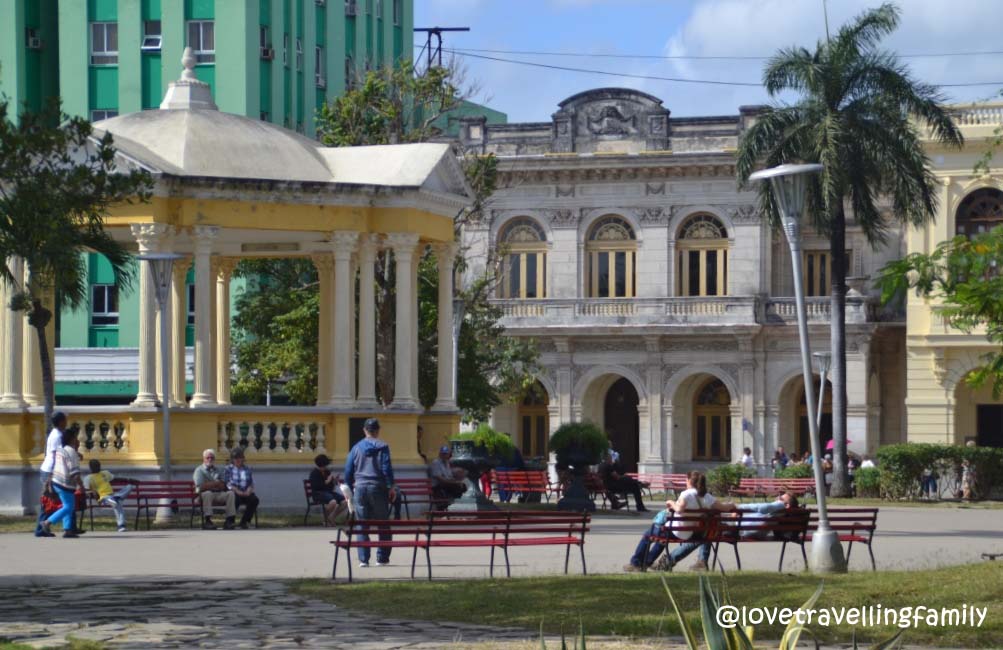
Parque Vidal gave the visit a different rhythm. this was where we found the everyday life of the city: people sitting, moving through the centre and spending time together. After the strongly focused history of the memorials, a square was a good place simply to look around.
Teatro La Caridad also caught our attention: behind its neoclassical façade, we admired a richly decorated interior. Put it on your shortlist if architecture interests you, and leave room to explore Parque Vidal around it.
We left the tobacco factory for another visit. The memorials, theatre and square already gave us a full day.
The journeys around the visit
We combined the main Che memorial with our journey towards the bus station. With a fixed departure, allow the transfer its own buffer so a museum visit does not become a race back to the luggage.
A separate car outing took us towards Remedios and the northern cays. Our beach journal follows that change of setting.
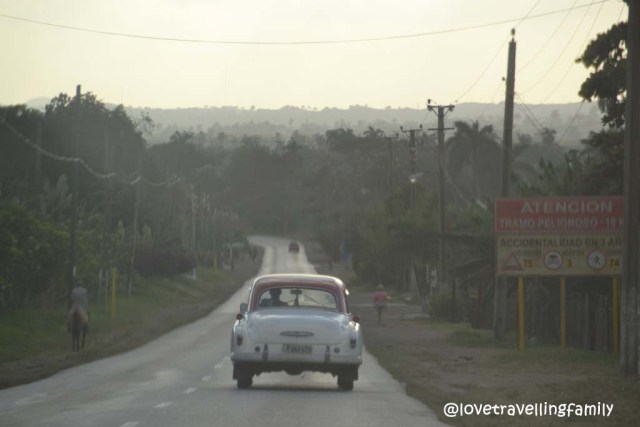
For the wider transport experience, read our Cuba family transport journal. It explains how luggage, a baby’s equipment and the last part of a transfer affected the way we moved between places.
Connect the monuments with the rest of the city
The most useful way to read this account is as a selection from our trip. Choose the part that interests you, allow enough time to understand it and keep some of the day for the streets between the named sights. A public square can tell you something different from a museum.
Our Cienfuegos journal follows another Cuban city through a central square and waterfront walks. Together, the two stories show why a journey needs both the places you hoped to see and the ordinary pauses you could not have planned in advance.
Current travel note: FCDO advises against non-essential travel to Cuba; fuel and electricity shortages affect services. 1
Plan the visit
Know before you go
Che Guevara memorial
- Plan your time
- Visit the memorial before moving to Parque Vidal; leave a break between the two.
- Booking & access
- Choose museum entry separately from looking at the outdoor monument, and follow the site’s photography rules.
Santa Clara’s main memorial commemorates Che Guevara and his companions.
Parque Vidal
- Plan your time
- Leave the square for an unhurried pause, with the theatre as an optional additional stop.
- Booking & access
- A guided or theatre visit is a separate arrangement from the square walk.
The park is a useful meeting point for exploring the surrounding central streets.
Visitor information checked 19 October 2026. Timing suggestions are our planning advice.
Good to know
A couple of useful questions
How should I divide a Santa Clara day?
Group the memorial visits together, then leave time for Parque Vidal and a meal. Treat the main Che memorial and a bus departure as separate commitments with a transfer buffer.
Did we visit the tobacco factory?
No. It was mentioned as an additional possibility in the original post, rather than a tour we can describe from experience.
What should I read alongside Santa Clara?
The Cienfuegos journal follows the city at a slower family pace. Our Cuba transport account connects the stories with the practical memories of moving between stops.
Sources and useful links
References for the practical information in this article:
- UK FCDO — current Cuba safety and travel advice ↗
- Cuba Travel — the official history of Villa Clara and Santa Clara ↗
Information checked on 19 October 2026.