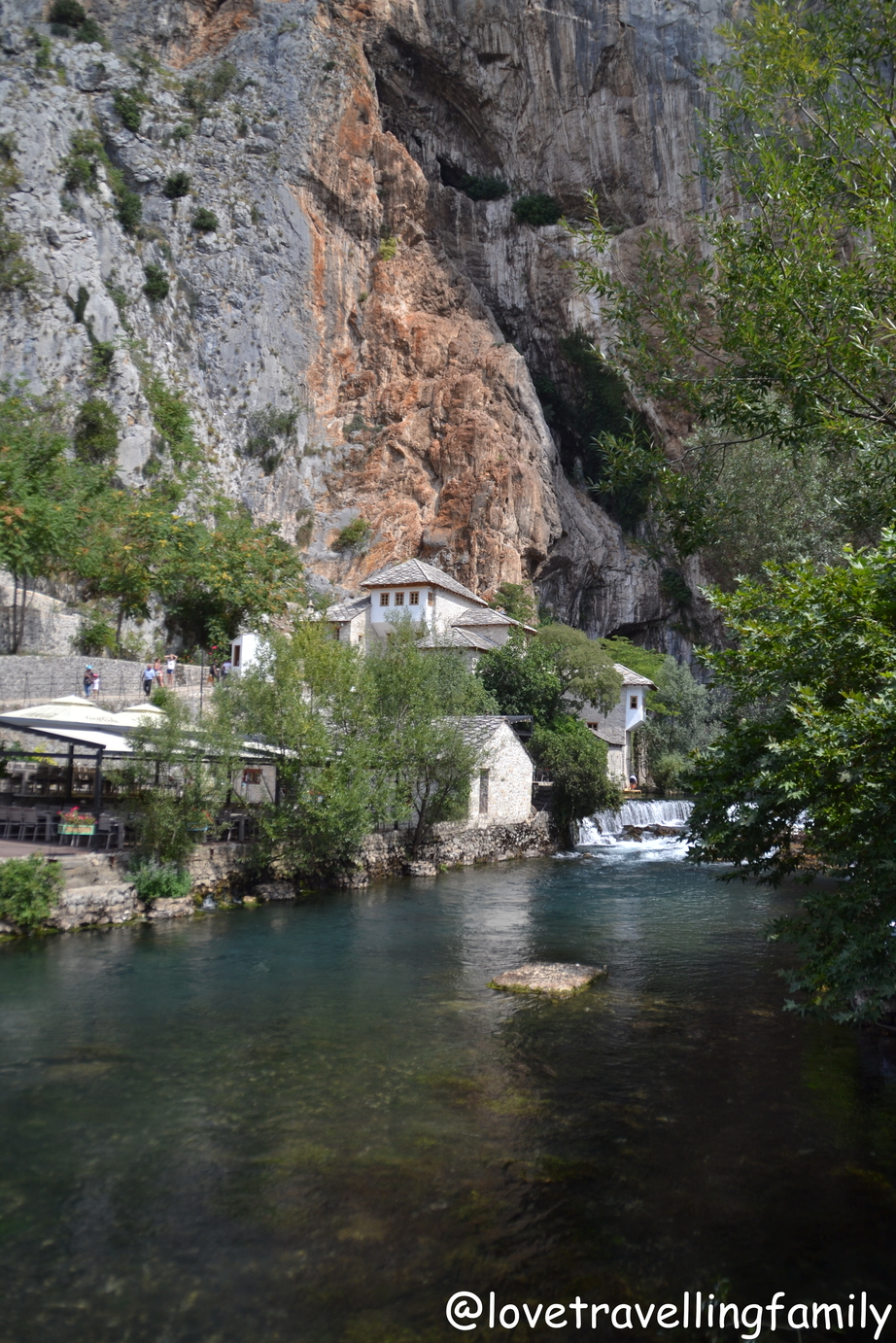
We visited Potočari during a family journey through the Balkans. Our children were small, and the visit brought questions about how to speak about death, loss and the people whose names we were reading. I remember the quiet, and the difficulty of finding words that were honest without asking a child to understand everything at once.
This is a personal memory of the visit, alongside a short, sourced historical context. It does not attempt to condense the war or the lives of those affected into one travel account. The Memorial Center and the international court records are important places to continue reading.
The genocide, and the sources that establish it
In July 1995, Bosnian Serb forces captured Srebrenica. Thousands of Bosniak Muslim men and boys were systematically killed, and women, children and elderly people were forcibly transferred. The ICTY and the International Court of Justice ruled that the events constituted genocide. The UN’s International Residual Mechanism for Criminal Tribunals provides an account of the events and links to the judgements. 1
That legal and historical record matters. Remembering the victims does not require placing collective guilt on a whole nationality or community. The proceedings concern crimes and the responsibility of particular people and organisations.
For a reader preparing to visit, begin with the Memorial Center’s own materials and the court records. They provide context that one visitor’s impressions cannot supply.
The earlier conversation was in Sarajevo
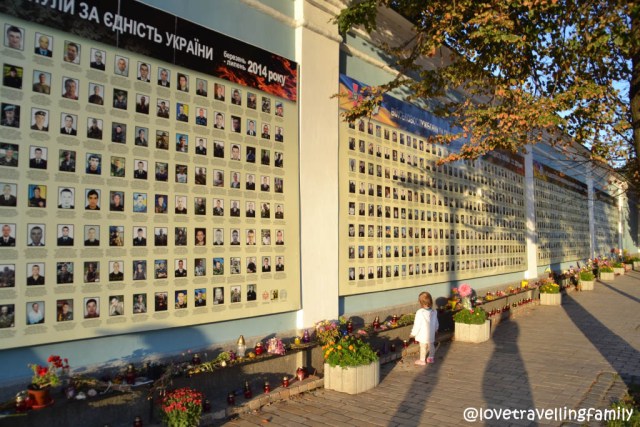
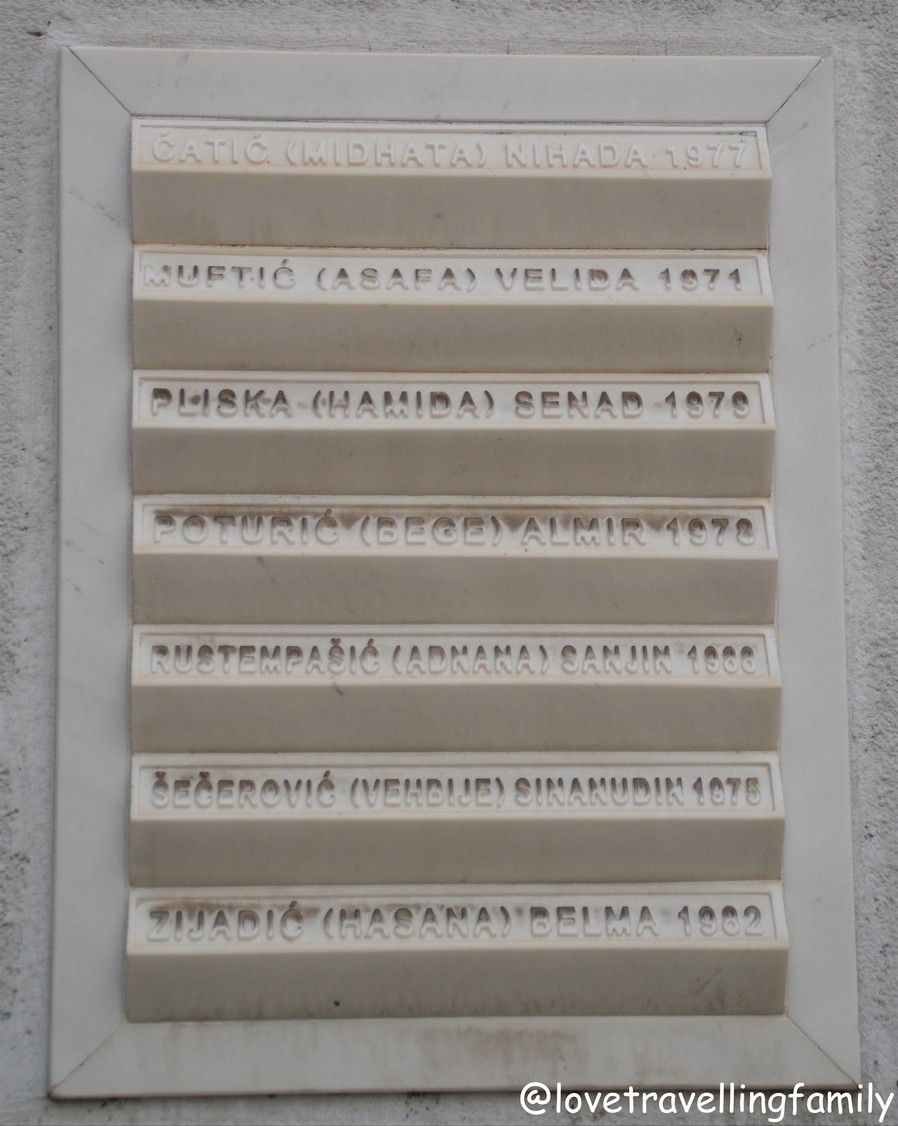
In Sarajevo, near where we were staying, my daughter asked what a memorial inscription meant. I looked at the names and birth years and thought about the lives those children had not been able to live. Finding words for her question was part of the visit.
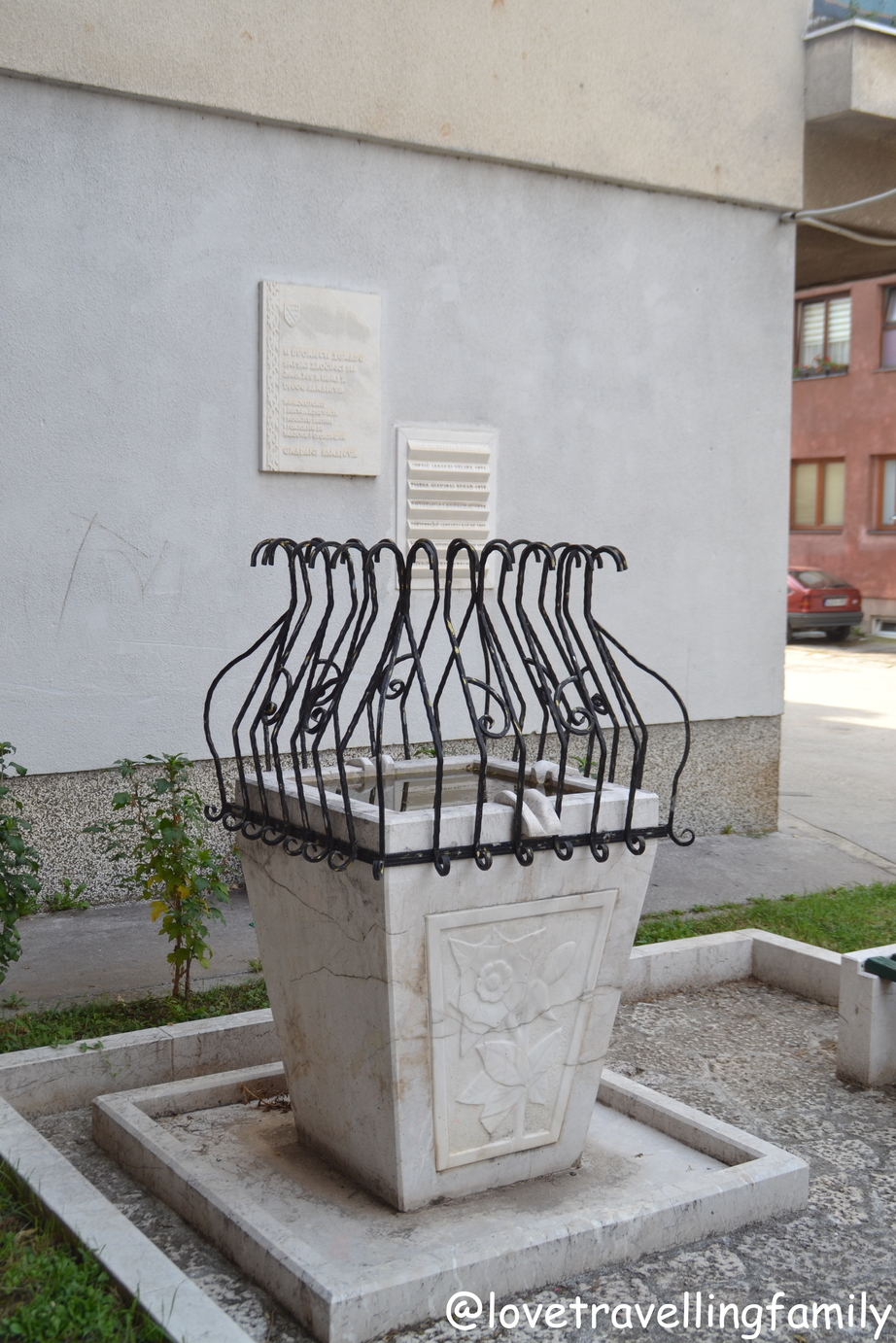
The two photographs below belong to that Sarajevo memorial. They are not pictures of the Potočari cemetery. Their place in this story is the question they prompted: how do we acknowledge something terrible when a young child asks about it?
We talked about life and death. I do not offer the conversation as a script for every family or a claim that every preschool child is ready for the same information. What stayed with me was the need to listen to the actual question and answer with care.
At Potočari, outside Srebrenica
We travelled by car and stayed in Srebrenica for one night. Potočari was a short journey from our accommodation. We remember pain, silence and the beauty of the setting, beside losses that were not ours.
A visit is an occasion to pay attention to the people commemorated and to the work of preserving their histories. Allow time to read, listen and pause, rather than treating the site as a quick stop between other places.
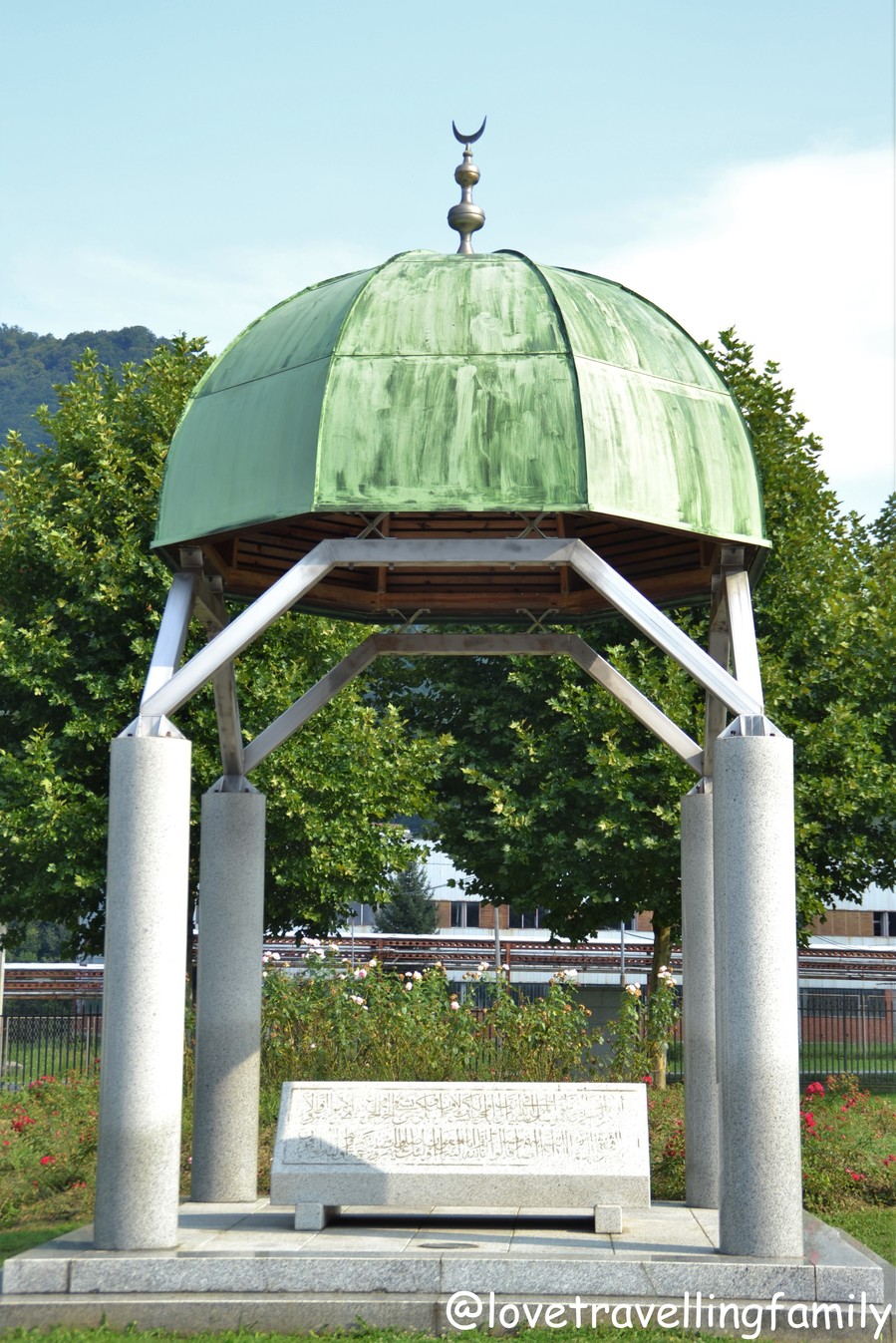
The Potočari photograph at the top of the page shows one memorial structure from our visit. It does not represent every part of the cemetery and exhibition spaces. Check which spaces you wish to enter and how they relate to one another before arriving.
Contact the Memorial Center for the visit you need
The Memorial Center’s current visitor page encourages reservations so that the resources and facilities visitors need can be arranged. Use its current information and contact details, especially for a group, a guided visit, language needs or particular access requirements. 2
Our old article printed fixed opening hours and a general statement about entry. A dated travel memory is not the place to assume every arrangement remains unchanged. Confirm current access and any programme you want to join directly with the Center.
If children are coming, preview the material and ask about the exhibitions you intend to see. Leave yourself the option to shorten the visit, take a quiet break or continue a conversation later. Choosing what fits your family does not lessen the importance of the history.
Read the wider journey alongside the remembrance
Our Bosnia and Herzegovina road-trip journal remembers welcoming hosts, city walks and time beside the water. This visit belongs within that journey without reducing the country to the war or setting its present-day life against the duty to remember.
We left with the wish that Srebrenica should never happen again, to anyone, anywhere. Remembering begins with naming the genocide, respecting the victims and taking the time to learn about the places we visit.
Plan the visit
Know before you go
Srebrenica Memorial Center, Potočari
- Plan your time
- Leave an unhurried visit rather than treating the memorial as a photograph stop. With children, choose the exhibitions beforehand and allow a quiet break afterwards; no suggested minimum age is claimed.
- Booking & access
- Send a visit request to the Center in advance for a curator-led visit, group or access requirements. State the language and exhibitions you would like to include.
The Memorial Center encourages advance reservation requests so that guided visits, exhibitions and access needs can be arranged. The form accepts group size and curator requests.
Visitor information checked 19 October 2026. Timing suggestions are our planning advice.
Good to know
A couple of useful questions
Are all three photographs from Potočari?
No. The cover photograph is from the Potočari visit; the two internal photographs show a children’s memorial in Sarajevo. Their locations are explicit in the captions.
Why is the word genocide used here?
International courts established that genocide was committed at Srebrenica in 1995. The UN court mechanism provides the historical account and links to judgements. 1
How should I arrange a visit with children or a group?
Read the Memorial Center’s current visitor information and contact it about the resources, language, access and exhibitions you need. Its visitor page encourages advance reservations. 2
Sources and useful links
References for the practical information in this article:
- UN IRMCT — the Srebrenica genocide and court judgements ↗
- Srebrenica Memorial Center — current visitor information and reservations ↗
Information checked on 19 October 2026.